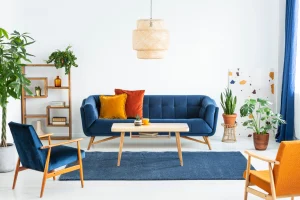
Neurodivergent-Friendly Home Design for Sensory Regulation and Focus

Home is where we should feel most safe, most ourselves. But for neurodivergent individuals—those with ADHD, autism, sensory processing differences, and more—a typical home can feel like an assault course of distractions and sensory triggers. The hum of the fridge, the glare of overhead lights, the chaos of visual clutter… it all adds up.
That’s where neurodivergent-friendly design comes in. It’s not about clinical spaces or one-size-fits-all solutions. Honestly, it’s about creating a personalized sanctuary that actively supports your nervous system. A place that helps you regulate, focus, and simply… breathe. Let’s dive into how to shape your space so it works with your brain, not against it.
The Core Principles: Safety, Control, and Sensory Balance
Before we pick paint colors, we need to understand the “why.” Neurodivergent-friendly design rests on a few key ideas. Think of them as your blueprint.
First, sensory regulation. This is the big one. It means managing the input from all five senses (plus proprioception and vestibular senses) to avoid overload and find calm. Second, cognitive clarity. Reducing mental clutter so you can think straight. And third, agency and control. The ability to easily modify your environment—light, sound, layout—is empowering. It’s about having options, not rigid rules.
Listening to Your Senses (The Real Experts)
Your own sensory profile is the ultimate guide. Are you sensory-avoidant (overwhelmed by input) or sensory-seeking (craving it)? Many of us are a mix. Pay attention. Does that abstract painting soothe you or make your eyes dart? Does the texture of that rug feel comforting or like nails on a chalkboard? There’s no right answer, only yours.
Room-by-Room Strategies for a Supportive Space
Okay, let’s get practical. Here’s how these principles translate into different areas of your home.
The Sanctuary: Bedroom Design for Rest
This room has one job: restoration. For many, that means minimalist design and deep pressure input.
- Lighting: Ditch the harsh overhead. Use blackout curtains or a sleep mask. Add dimmable lamps or smart bulbs with warm tones for a gentle wind-down.
- Textures: Weighted blankets are a game-changer for many. Consider soft, high-thread-count sheets and plush rugs you can sink your feet into.
- Clutter Control: Use closed storage—drawers, cabinets, under-bed boxes. Out of sight really is out of mind here. A clear floor can feel like a clear mind.
The Command Center: Home Office & Focus Zones
Focus is fragile. This space is about protecting it. The goal? Minimize external distractions and support executive function.
Position your desk facing a wall or a calm window view, not a busy room. Acoustic panels or even simple fabric wall hangings can dampen sound. For visual noise, use a simple, monochrome color scheme for your desk setup.
And here’s a pro-tip: create distinct zones for different tasks. A chair for deep-focus computer work, a different nook for reading, maybe a standing area for quick calls. This physical separation cues your brain for the activity at hand.
The Common Ground: Living & Social Areas
These shared spaces need to balance different needs. The key is flexibility and escape routes.
Offer varied seating: a firm chair, a soft couch, a floor cushion. This lets people choose their sensory input. Create a low-stimulation corner—a cozy armchair with a lamp, maybe a small shelf of fidget toys—for when someone needs a quick reset during social time. It’s not anti-social; it’s self-regulation.
Sensory Solutions: Tackling Light, Sound, and Texture
These are the big three sensory offenders—or helpers, depending on how you handle them.
| Sensory Input | Common Challenge | Friendly Solution |
| Light (Visual) | Fluorescent buzz, glare, overly bright/harsh light | Warm-temperature bulbs, dimmers, lampshades, adjustable blinds, matte finishes to reduce glare |
| Sound (Auditory) | Unexpected noises, hums, echoes, overlapping sounds | Soft furnishings (rugs, curtains), acoustic tiles, white noise machines, noise-cancelling headphones readily available |
| Touch (Tactile) | Uncomfortable textures, seams, tags, temperature extremes | Texture samples before buying, removable covers, layered blankets for temperature control, barefoot-friendly floors |
Don’t underestimate the power of smell (olfactory) and taste (oral) either. For some, strong cleaning product scents are overwhelming. Using unscented products or an essential oil diffuser (with a scent you control) can make a huge difference. Having a dedicated spot for chewy jewelry or crunchy snacks can also provide that needed oral motor input for focus or calm.
Simple Swaps You Can Make This Weekend
Feeling inspired? You don’t need a full renovation. Start small. Here are some low-lift, high-impact changes:
- Replace buzzing LED or fluorescent bulbs with warmer, dimmable options.
- Add felt pads or rubber bumpers to slamming cabinet doors.
- Declutter one surface—just one. The kitchen counter or your bedside table.
- Create a “sensory basket” with items like a weighted lap pad, noise-cancelling earbuds, a textured stone, and a favorite fidget.
- Use command hooks to hang a heavy curtain (even a temporary one) to soften sound and light in a problematic room.
Beyond the Physical: Rhythm and Routine in Your Space
Here’s the thing—design isn’t just static objects. It’s also about flow. How you move through your space can support neurodivergent rhythms. Designate a landing spot near the door for keys, bags, and shoes. This reduces the “search panic” when leaving.
Make your most important routines visually obvious. A pill organizer on the kitchen counter. A hook for tomorrow’s outfit. A clear path to your morning coffee cup. You’re not being lazy; you’re designing for cognitive ease, reducing the number of tiny decisions that drain your mental energy.
A Personal Haven, Not a Perfect Showhome
In the end, neurodivergent-friendly home design is a deeply personal experiment. It might mean a living room that looks “unfinished” to a visitor but feels perfectly calm to you. It could mean a desk facing the wall, a weighted blanket on the couch, or a collection of rocks on the windowsill because you like how they feel.
Forget the Pinterest-perfect image. The true goal is a space that feels like a gentle exhale. A place that doesn’t ask more of you but instead gives back—offering pockets of calm, moments of focus, and the simple, profound gift of sensory regulation. That’s not just good design. That’s a home.