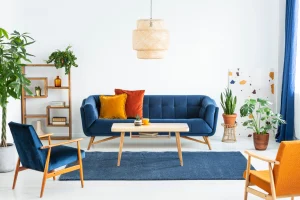
Sensory Design: Creating Homes for Neurodiversity and Mental Wellbeing
Think about the last time you felt truly at peace in your own home. Maybe it was the soft glow of a lamp, the quiet hum of the fridge, or the feel of a favorite blanket. For many of us, these sensory details are background noise. But for neurodivergent individuals—those with ADHD, autism, sensory processing disorder, or anxiety—the design of a space isn’t just about aesthetics. It’s a constant dialogue with the environment that can either soothe or overwhelm.
That’s where sensory design comes in. It’s not a clinical term, honestly, but a philosophy. It’s about intentionally shaping our living spaces to support different neurological needs and promote mental wellbeing for everyone. Let’s dive into how we can move beyond mere decoration to create homes that truly feel like sanctuaries.
What is Sensory Design, Really?
At its core, sensory design is empathetic architecture. It acknowledges that we all process sensory input—sight, sound, touch, smell, even proprioception (your sense of body in space)—differently. A buzzing fluorescent light might be mildly annoying to one person and utterly debilitating to another.
The goal isn’t to create a one-size-fits-all “perfect” home. Instead, it’s about offering choice and control. It’s designing with flexibility, so a space can be stimulating or calming, social or solitary, based on the occupant’s needs in that moment. This is crucial for neurodiverse families, where one member might crave quiet while another seeks movement.
The Seven Senses in Your Living Room
We often forget we have more than five senses. A holistic sensory design approach considers:
- Sight: Lighting intensity, color palettes, visual clutter, and patterns.
- Sound: Acoustics, ambient noise, and auditory privacy.
- Touch (Tactile): Textures of fabrics, flooring, and furniture.
- Smell (Olfactory): Air quality, scents from materials, and cooking odors.
- Taste: Less about the design itself, but linked to nearby kitchen spaces and organization.
- Vestibular: Sense of balance and movement. Think rocking chairs, swings, or varied floor levels.
- Proprioceptive: The sense of body awareness. Weighted blankets, snug seating, or resistive activities like pushing heavy doors provide this deep-pressure input.
Practical Strategies for a Sensory-Smart Home
Okay, so theory is great. But how does this translate to actual design choices? Here’s the deal—you don’t need to start from scratch. Small, thoughtful adjustments can have a massive impact.
1. Master the Lighting Landscape
Overhead lighting, especially cold, bright LEDs, is a common pain point. The key is layers. Use dimmable fixtures, warm-toned bulbs, and plenty of indirect light sources—floor lamps, table lamps, wall sconces. This allows you to tailor the brightness to the task and mood.
And don’t forget natural light! But for those sensitive to glare, blackout curtains or adjustable blinds are non-negotiable. They offer that crucial control.
2. Tame the Sound Soup
Open-concept floors are popular, but they’re acoustic nightmares. Sound bounces everywhere. To dampen noise, incorporate soft, absorbent materials: thick rugs, heavy curtains, upholstered furniture, and even acoustic panels disguised as art.
Creating designated quiet zones is another powerful strategy. A reading nook in a corner, a closet turned into a mini-retreat, or even a comfortable spot under a stairwell can provide essential auditory respite.
3. Curate Texture and Touch
Walk through your home barefoot. What do you feel? Plush carpet, cool tile, smooth hardwood? Offering a variety of textures allows for sensory seeking or avoidance. Have a basket of different fabric swatches or textured pillows available.
Furniture matters too. A smooth, leather couch might feel calming to one person (less tactile input) but cold and unwelcoming to another who prefers the soft embrace of a chenille.
Designing for Specific Needs: A Quick Guide
| Common Need | Design Solution | Simple Starting Point |
| Sensory Overload (Seeking Calm) | Minimalist decor, neutral colors, dedicated low-stimulation retreats, noise control. | Create a “quiet corner” with a bean bag, blanket, and headphones. |
| Sensory Under-Responsiveness (Seeking Input) | Varied textures, active spaces, vibrant color accents, movement options. | Add a textured rug, a small indoor swing, or a wall of tactile art. |
| Executive Function Support (ADHD) | Clear visual organization, “homes” for items, reduced clutter, visual cues. | Use open bins with labels, a clear “launch pad” by the door, and color-coded storage. |
| Anxiety & Safety | Clear sightlines, predictable layouts, cozy enclosed spaces (safe harbors). | Arrange furniture to see the room’s entrance, use a canopy bed or a high-backed chair. |
It’s More Than Just the Physical Stuff
Here’s a thing we sometimes miss: sensory design is also about rhythm and ritual. It’s the way morning light hits a particular chair for a mindful cup of coffee. It’s the specific blanket you reach for when you’re tired. These personal sensory anchors are incredibly powerful for mental wellbeing.
So, involve everyone who lives in the home in the process. Ask questions. What feels good? What feels awful? The goal is co-creation, not a top-down design mandate. A child might choose a wildly colorful bedspread—that’s okay if it brings them joy and comfort. It’s their sanctuary, too.
The Ripple Effect of a Considered Home
When we design for neurodiversity, we inadvertently design for better mental health for all. A calm, controlled environment reduces stress hormones. Clear spaces reduce cognitive load. Sensory comfort lowers anxiety. These benefits are universal.
In fact, the rising trends of biophilic design (connecting to nature), the “clutter-free” movement, and the demand for cozy, textured interiors—they’re all, in a way, tapping into this deeper sensory need. We’re collectively craving spaces that don’t just look good on Instagram, but that feel good to actually live in.
Ending with a simple thought: our homes should be our softest place to land. By paying attention to the symphony—or sometimes, the cacophony—of sensory details, we can build environments that don’t just house us, but truly hold us. And that’s a design principle worth embracing.